Updates from the Chairman of the Epping Forest and Commons Committee
Caroline Haines was elected as the Chairman of City of London Corporation's Epping Forest and Commons Committee in June 2025. She brings to the role a lifelong passion for Epping Forest as well as expertise in both education and inspiring young people to protect their green spaces. Read her monthly updates below.
Working closely with its local communities, the Epping Forest and Commons Committee sets policy for City Corporation-conserved open spaces in Essex, Buckinghamshire, London, and Surrey.

Protecting Epping Forest for Future Generations
Epping Forest is one of Britain’s most treasured ancient landscapes. Shaped over centuries, this unique wood-pasture remains the “People’s Forest”, welcoming millions of visitors every year. As summer brings warmer weather and longer days, it also presents challenges for this special place, and everyone who enjoys it has a role to play in helping protect it.
Recent heatwaves have highlighted the importance of planning visits carefully. Visitors are encouraged to bring plenty of water to stay hydrated and be mindful of the increased risk of wildfires during hot, dry conditions. Fires and barbecues are never permitted anywhere in the Forest, and even discarded cigarettes can have damaging consequences. Taking litter home and disposing of it responsibly is another simple but important way to help safeguard this protected environment.
The threat of wildfire is particularly concerning in an ancient place like Epping Forest. Damage caused by fire can be devastating. As temperatures rise and dry conditions persist, everyone is being urged to remain vigilant and help prevent incidents that could have a lasting impact on the Forest’s habitats and wildlife.
Beyond the immediate risk of fire, prolonged periods of drought place significant stress on the Forest’s ancient trees. Some of these remarkable veterans are between 500 and 1,000 years old. While they have survived countless changing seasons, rapid environmental changes present new challenges that can affect their long-term health.
To help build resilience against climate change, the City of London Corporation, which manages the Forest as a charity, has developed a Climate Action Strategy. Part of this strategy looks at how all 11,000 acres of open space we manage – not just Epping Forest – can help capture carbon from the atmosphere and sustain the natural environment.
One key initiative is the construction of leaky dams across the Epping Forest landscape. Built with the support of dedicated volunteers, these dams help slow the flow of water and retain moisture in the soil for longer periods. Early results are encouraging, and a comprehensive monitoring programme is now being carried out to assess their effectiveness. Further dam-building projects are planned for the autumn, offering more opportunities for volunteers and businesses to get involved in practical conservation work. If you would like to be involved, please email efvolunteering@cityoflondon.gov.uk.
Epping Forest is home to more than 100 ponds and lakes, alongside rivers and streams. They are important wildlife habitats and swimming is not permitted in any of these water bodies. Hidden mud, deep silt, submerged obstacles and the risk of cold-water shock can all pose dangers. During the summer months, many ponds may contain blue-green algae, which can be harmful to both people and animals too.
We also remind all visitors of the need to help us to protect the wildlife that calls Epping Forest home. Dogs should also remain under effective control, as per the Byelaws, ensuring that local wildlife can thrive without disturbance.
Visitors looking to make the most of their time in the Forest can find walking routes, seasonal information and event listings in the Epping Forest Visitor Guide, available online and from the Visitor Centre at Chingford. From scenic summer walks to outdoor cultural events, there are plenty of ways to enjoy this remarkable landscape.
As you visit, please help us to look after the Forest. Any concerns or irresponsible behaviour can be reported via the 24-hour Forest hotline on 020 8532 1010. In an emergency, please always call 999 first.
By working together, we can help preserve Epping Forest’s ancient beauty, rich wildlife and unique heritage for generations to come.
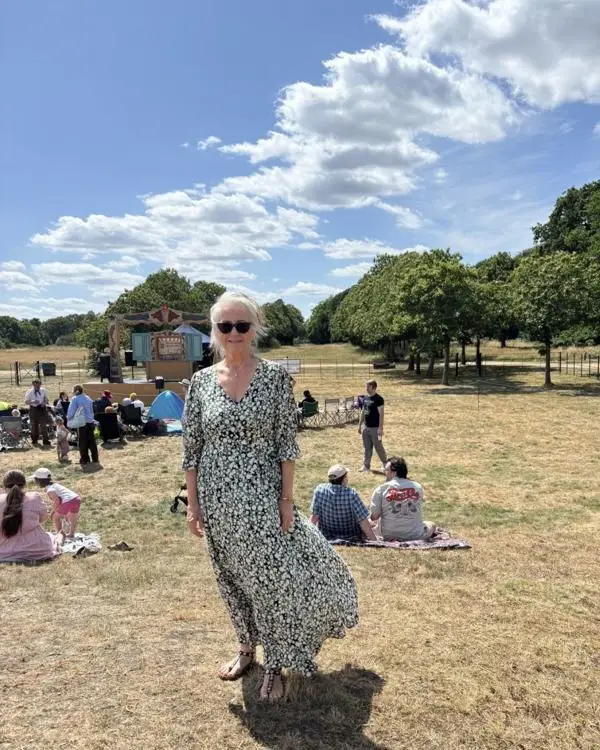
Last month, I wrote about visitors to the Forest and this month we have taken the Forest to the Houses of Parliament! I was delighted to host an event, sponsored by Dr Neil Hudson MP, to mark the 150th anniversary of the Epping Forest Act first entering Parliament – a two-year journey that ultimately led to the creation of the Epping Forest Act 1878, which came into force on 8 August that same year.
Our strapline for the 150th anniversary is ‘Then. Now. Always.’
Whilst the Parliamentary event marked The Act’s historical significance, for the ‘Now’ part we are already planning a busy programme of events between August next year and August 2028. I look forward to working with our partner organisations and sharing more details soon. Please follow our official Epping Forest charity social media channels for updates.
Of course, the ‘Always’ part of our strapline looks towards the future sustainability and our continued stewardship of Epping Forest. We are grateful to our volunteers who help us protect this special landscape and were delighted to celebrate with them at the start of the month during Volunteers’ Week.
This included an event at Guildhall hosted by the City of London Corporation (the sole trustee of the Epping Forest charity), followed by a local ‘thank you’ event here in Epping Forest. This was a wonderful opportunity to recognise the incredible contribution of our volunteers and the organisations who support us. Our volunteers contributed almost 18,000 hours last year, we are immensely grateful to everyone who dedicated their time to help us take care of the Forest.
I have also enjoyed getting involved with hands on conservation work, helping with leaky dams and hedgerow planting on our Buffer Lands at Copped Hall, which is all part of the City Corporation’s Climate Action Strategy. We also offer bespoke corporate volunteering experiences, providing organisations with the opportunity to take part in hands-on conservation work while supporting our climate resilience projects. If you would like to get involved, please visit the volunteering page on our website.
We continue to welcome both people and wildlife to the Forest. It was a pleasure to meet with the Wren Wildlife and Conservation Group at Wanstead Flats recently to hear about their skylark conservation work. I am pleased to report that skylarks are once again thriving in this important sanctuary so close to central London. Meanwhile, our English longhorn cattle have been grazing at Wanstead Park earlier than usual this year, helping to manage vegetation on the historic Ornamental Water lakebed in line with guidance from Historic England.
Our conservation team has also been working with student groups, sharing their expertise and helping to equip the next generation of environmental stewards with vital knowledge and skills.
We were also pleased to welcome Elected Members of the City Corporation to visit our Buffer Lands and see first-hand the work being undertaken to support the Forest’s long-term sustainability. Visitors have been enjoying a busy programme of events, including a recent celebration of bees at the Visitor Centre. With a full summer of activities ahead, including the ever-popular Open Air Theatre season in Wanstead Park, I encourage everyone to explore what’s on via our website or in the 2026 Epping Forest Annual Guide.
Finally, I would like to thank the local fire service teams for their continued support, helping us manage the risk of wildfires during the recent heatwave. We remind all visitors that fires and barbecues are strictly prohibited, and we ask everyone to dispose of litter and cigarettes responsibly. Together, we can ensure this historic and much-loved landscape is protected for everyone to enjoy, both now and always.
Those of you who have visited Epping Forest recently will surely agree that it is looking splendid. Spring is well and truly with us, bringing longer days, brighter skies and an energy that is felt across the Forest. With so many people – and so much wildlife – enjoying the sunshine, I thought in this edition I would spotlight our visitors and the volunteers who help make the Forest such a special place.
I hope many of you have had the chance to pick up a copy of our very first Epping Forest Visitor Guide. Free hard copies are available from our Visitor Centre at Chingford, a range of local outlets, and online. We hope it will become a useful companion throughout the year, providing practical information about the Forest and a programme of events to enjoy in every season.
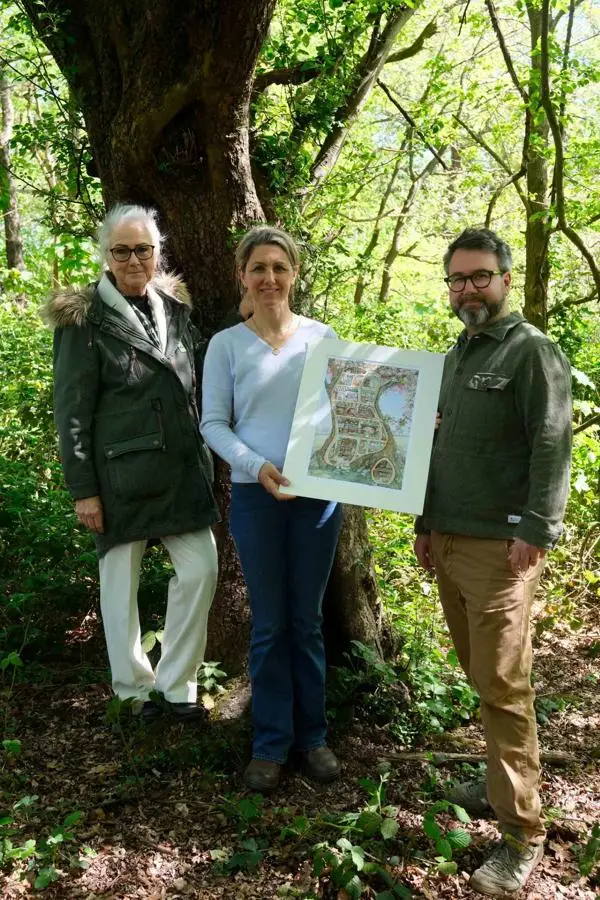
It has been a pleasure to welcome a number of visitors to the Forest from far and wide. We were delighted to welcome back Lizzie and Pete Barklem to mark the discovery of a special crab apple tree near Barn Hoppitt. This ancient tree inspired the iconic Crabapple Cottage in Jill Barklem’s much-loved Brambly Hedge books. Lizzie and Pete have curated a charming exhibition in the Lower Gallery at the Chingford Visitor Centre celebrating this connection, which you can visit until September.
The Forest team is currently working on a new Visitor Strategy. This important piece of work will help ensure that the experience in the “People’s Forest” continues to be enjoyable and accessible, while carefully balancing recreation with the protection of the Forest’s unique habitats so that they continue to thrive for generations to come.
Spring is a busy time for our wildlife. Migratory birds are returning, nesting is underway, and froglets are starting to emerge. Skylark conservation measures are once again in place at Wanstead Flats and next month will also see the arrival of newborn deer. If you come across a fawn resting in long grass, please do not disturb it. Its mother will be close by and will return. You may also encounter our English longhorn cattle grazing the Forest’s ancient wood pasture. This traditional practice benefits biodiversity, and we kindly ask visitors to respect the cattle’s space and keep dogs under effective control when near the cows.
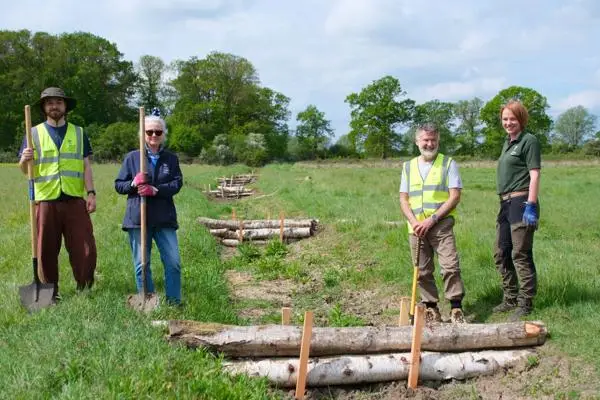
Our wonderful volunteers continue to play an invaluable role throughout the year. I recently joined a volunteer day at Copped Hall, supporting a project funded through the City of London Corporation’s Climate Action Strategy to strengthen the Forest’s climate resilience. If you would like to get involved, please contact: efvolunteering@cityoflondon.gov.uk.
We look forward to welcoming you to the Forest this spring. Don’t forget to check out the events on offer in the Visitor Guide, and don’t miss the opportunity to enjoy one of our popular Open Air Theatre performances at the Temple Enclosure. Full details can be found on our website.
Spring emerges across Epping Forest’s historic landscape
As spring brings new life to Epping Forest and its surrounding Buffer Lands, I encourage you to take a moment to enjoy the ancient woodland’s seasonal beauty. Stretching 13 miles and spanning more than 8,000 acres, it remains one of our region’s most valued historic landscapes, and a vital haven for wildlife.
Across Epping Forest, you’ll find a rich heritage woven into the landscape – including eight listed buildings, four scheduled monuments and two historic parks and gardens. Each tells part of the story of how this ancient woodland has evolved over centuries. There are several heritage and conservation projects underway, shedding fresh light on the Forest’s unique past.
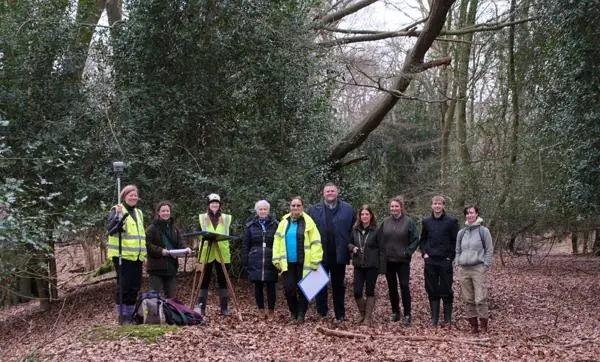
One of the most significant projects is new research into the Forest’s two Iron Age earthworks, Ambresbury Banks and Loughton Camp. Specialists from Historic England are taking a fresh look at these scheduled monuments, carrying out detailed earthwork surveys to better understand the archaeological features still visible today. This work will explore how both sites were built, how they may have been used, whether they were linked, and how they fit into the wider prehistoric landscape. Further study is planned for later in the year, and we ask visitors to these sensitive protected areas to adhere to guidance on local signage to help reduce any impact on the sites.
In the south of the Forest, major restoration projects have recently been completed at Wanstead Park, one of Epping Forest’s most historic and much loved sites. The outside of the Temple has been beautifully restored and is now ready to welcome audiences for the Open Air Theatre season this summer. Nearby, extensive conservation work on the iconic Grotto has also finished. With the surrounding paths reopened, visitors can once again enjoy one of the Park’s most striking historic landmarks.
At the heart of Epping Forest stands Queen Elizabeth’s Hunting Lodge, a rare and beautifully preserved Tudor hunting tower. A newly completed Conservation Management Plan sets out how we will protect, care for, and share the history of this remarkable building for future generations. Sitting beside the Epping Forest Visitor Centre at Chingford, it marks the starting point of the ever popular Brambly Hedge Trail and remains a key destination for anyone wanting to explore the Forest’s heritage.
To the west, the landscape around Copped Hall is continuing to change as part of the City of London Corporation’s Climate Action Strategy. Fields that were formerly used for growing crops have been transformed into wildflower meadows, and miles of new hedgerows have been planted to boost wildlife and link important habitats together. Visitors can also explore the historic Copped Hall itself, which is owned and cared for by the Copped Hall Trust.
Beyond its built heritage, Epping Forest is home to an extraordinary 55,000 ancient trees — one of the largest concentrations in the country. This year’s Habitat Restoration Programme is continuing the essential work of caring for these trees and rejuvenating the Forest’s historic wood pasture landscape.
Supporting all this work are the Forest’s incredible volunteers, whose dedication was recently recognised when the Epping Forest Conservation Volunteers were named Epping Forest District Council’s ‘Volunteer Team of the Year’. Their contribution, along with that of many other groups and individuals, remains essential to protecting this remarkable landscape.
To help you make the most of the months ahead, a new Visitor Guide has now been published on the What's new in Epping Forest webpage and in our Visitor Centres at Chingford and at the Temple. This publication is packed with information about the Forest, including a detailed historic timeline, and upcoming events. It offers the perfect companion for a springtime visit to one of the region’s most extraordinary natural and historic environments.
This winter has been exceptionally wet, with rainfall well above average. While this has helped refill ponds after last summer’s drought, it has also caused some of the Forest’s ponds and rivers to overtop – losing a vital water source that we may need in the hotter months.
Our leaky dams project has therefore continued at pace, thanks to our fantastic volunteers, now affectionately known as ‘beavers’. Many of you may have seen the recent coverage on BBC and ITV this month. These natural-material dams sit within streams and ditches and act as a gentle, nature-based flood management system. By slowing, diverting and holding water, they help the Forest stay wetter for longer into the summer months. This supports the ancient trees that make Epping Forest so special and increases species biodiversity. This work is funded and delivered through the City of London’s Climate Action Strategy, in partnership with Epping Forest.
As the Epping Forest Act of 1878 requires us to preserve the natural aspect of the Forest, many areas remain intentionally wild. With the ground so wet and muddy, a sturdy pair of wellingtons is highly recommended!
Our Estates team has also been hard at work improving paths across the Forest. With over 20 miles of surfaced paths – equivalent to the distance from Loughton to Chelmsford – path maintenance is a significant task for the charity. Work is progressing on the Gloucester Ride and improvements to the Easy Access Path at High Beach are underway. Our team has also resurfaced the car parks at Snaresbrook and Hollow Pond.
We’re delighted to share the success of last year’s skylark conservation work at Wanstead Flats in our new video - YouTube Conserving Skylarks on Wanstead Flats. Temporary fencing will return on 26 February to give skylarks and other ground-nesting birds the best possible chance to thrive this breeding season. Huge thanks go to the Wren Wildlife and Conservation Group and the local community for their invaluable support with these important conservation efforts.
I was pleased to join the Epping Forest team recently for a hedgerow planting day on the Copped Hall estate – another initiative to boost biodiversity and nature connectivity. We offer rewarding, hands on opportunities for individuals and businesses to support this work, so if your organisation would like a memorable and meaningful corporate volunteering day, please contact efvolunteering@cityoflondon.gov.uk. Even in cold, muddy February, the collaborative experience of hedgerow planting was energising and hugely worthwhile.
Regular visitors may have noticed a change to how our Forest Keepers operate. Each team is now responsible for a specific area of the Forest, providing a single point of contact and enabling more responsive, site based management. Their enthusiasm has already brought tangible improvements such as culvert repairs and has strengthened relationships with local communities.
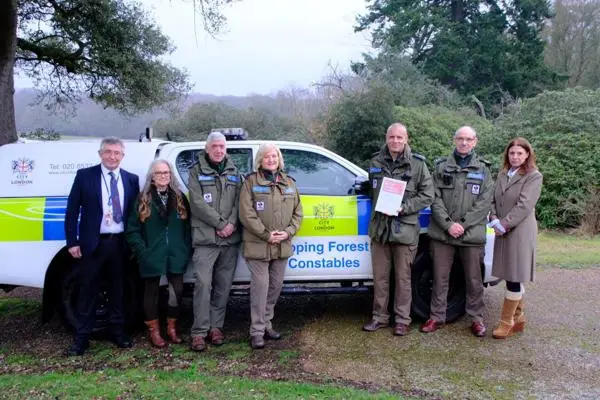
Finally, our Enforcement team has recently gained new powers through the Essex Police Accreditation Scheme, further enhancing our ability to protect Epping Forest. I was delighted to celebrate this important milestone with the team last month.
As the ancient landscape of Epping Forest emerges from the depths of winter, I remain deeply grateful to our staff and volunteers for their tireless efforts during the harshest months of the year – nurturing nature and preparing the Forest for the seasons ahead.
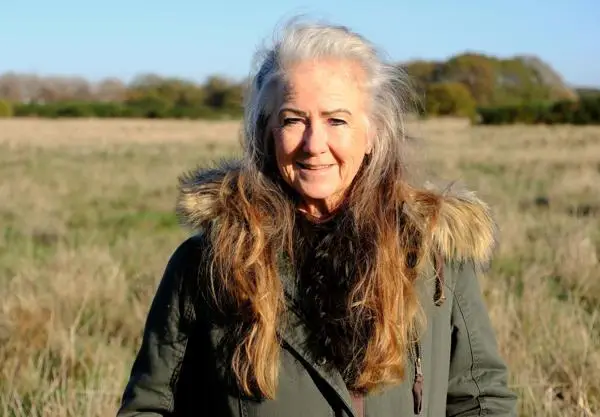
Firstly, may I wish you all a Happy New Year. I hope that 2026 brings many enjoyable visits to Epping Forest.
Winter offers a unique kind of beauty – leafless trees reveal their striking forms, often framed by atmospheric mists or illuminated by the crisp ‘blue’ winter light or the warm glow of early sunsets.
This year has begun with an arctic blast and, with more than 100 ponds across the Forest, many have been frozen. Unfortunately, it has been necessary for the Fire Brigade to rescue visitors and dogs who ventured onto the ice and found themselves in serious danger.
To help everyone enjoy the Forest safely, I would remind visitors to keep off frozen ponds and to ensure children and dogs do the same. Even shallow water can be surprisingly hazardous in icy conditions.
We also ask visitors to avoid throwing sticks or debris onto the ice. When the ice melts, this debris enters the water, causing a deterioration in water quality and potentially blocking weirs or dams, increasing the risk of paths becoming flooded during heavy rainfall.
Whilst we warmly invite you to explore the Forest during these winter months, Epping Forest is a wild landscape. Visitors should come prepared and exercise the same care they would extend when exploring any natural place.
The woodland can appear quiet at this time of year, but nature is using this time in its lifecycle to restore and prepare for the explosion of Spring. This activity beneath the surface is mirrored in the seasonal Winter Story of Jill Barklem’s charming Brambly Hedge books. The complete series, alongside other related merchandise, is available at the Epping Forest Visitor Centre at Chingford, which is also the perfect starting point for embarking on your own Epping Forest Brambly Hedge Trail adventure.
This month, the birds of the Forest begin preparation for their nesting season. Woodpeckers have already been heard drumming their territories with an evocative seasonal sound that echoes throughout the treetops. Why not take part in the RSPB’s Big Garden Birdwatch, which runs this year from 23-25 January, by recording your own bird sightings on a Forest walk?
In February, we will once again be helping the skylark population on Wanstead Flats by installing the temporary fencing for their nesting season, enhancing their chances of successful breeding. I visited the site recently with the Wren Wildlife and Conservation Group’s Committee Member, Tim Harris, to learn about the success of last year’s conservation efforts and look forward to updating you further on this next month.
Winter is not a dormant time for our Epping Forest team, who continue working in all weathers to care for this protected ancient wood-pasture, ensuring that our special natural landscape is ready for another busy year of exciting events and activities. To stay up to date, follow Epping Forest on social media or sign-up to receive Forest Focus, our free, digital newsletter.
If you haven’t already, 2026 could be the perfect year to try volunteering. Volunteering is a wonderful to support your wellbeing, while directly helping us with the conservation of this precious ancient woodland. Find out more on the Epping Forest website.
However you find yourself in “the green lungs of London” throughout 2026, you are most welcome and I hope you enjoy your visit!
As the spectacular colours of autumn fade and the winter sets in, Epping Forest’s raw beauty is now revealed in the striking silhouettes of its ancient, pollarded trees.
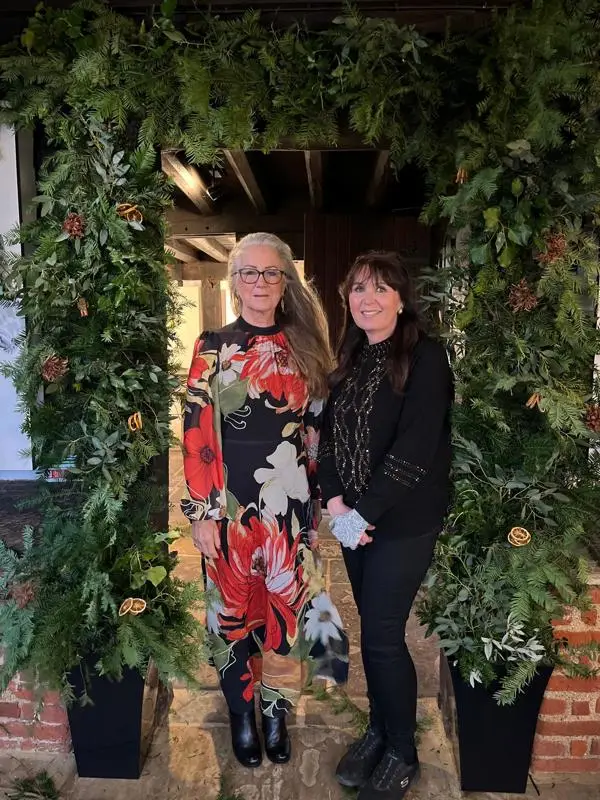
At Queen Elizabeth’s Hunting Lodge, we’ve continued the tradition of bringing some the outdoors inside as the winter solstice and festive season approaches. On 27 November, we hosted a wonderful volunteering day, led by local floristry expert, Victoria, decorating our Tudor treasure with responsibly sourced foliage from habitat restoration work. It’s important to note that removing greenery from the Forest is strictly prohibited under byelaws, as this is a protected landscape.
The event was a joy, with volunteers creating beautiful wreaths and garlands that filled the Lodge with seasonal fragrance and charm. The festive spirit continued last weekend with musical performances from two local choirs (the Rose and Crown Singers and the Crofton Singers) adding a touch of magic to this historic setting.
If you haven’t yet visited the Hunting Lodge, why not drop by before Christmas? We’re open Tuesday to Sunday, 10am–4pm.
Next door, the Epping Forest Visitor Centre at Chingford offers a fantastic range of Christmas cards, gifts and stocking fillers. Highlights include locally produced Epping Forest honey, handcrafted wooden bowls by Colin the Bowlturner, St Eval scented candles, Brambly Hedge items, and our exclusive Epping Forest Christmas tree decoration. Our Short Walks book, together with the Official Map at a special price of just £10, makes an ideal gift for Forest enthusiasts. What’s more, every purchase supports the Epping Forest Charity, helping us conserve this special place. These are truly gifts that keep giving into 2026 and beyond.
This month, I’m honoured to host a thank-you event at Copped Hall for Committee Members and staff who work tirelessly to achieve our strategic objectives, ensuring the Forest is conserved, now and into the future. This is a fitting venue as the Copped Hall Trust celebrates 30 years of its ambitious restoration project.
We’re also collaborating with the City of London Corporation’s Climate Action Strategy team on vital climate resilience projects at Copped Hall, which forms part of the Forest’s 2,000 acres of Buffer Lands, including new hedgerow planting and leaky dam construction. These initiatives offer businesses meaningful team-building opportunities through corporate volunteering. So, if you’d like to get involved, please email us.
I would like to offer a huge congratulations to all the talented young people who entered our autumn photography competition. We’ll be posting the winners on social media this month. Thank you for taking part!
Finally, I extend heartfelt thanks to everyone who loves and cares for Epping Forest and its Buffer Lands. Thanks to those who visit responsibly, and our dedicated staff and volunteers who work tirelessly to protect this unique landscape. Your support ensures Epping Forest remains a place of beauty and heritage for generations to come.
Wishing you all a very Merry Christmas and a Happy New Year!
Visitors to Epping Forest this season have been treated to a spectacular display of autumn colours, with golden leaves carpeting the woodland floor. As the trees shed their foliage, the Forest transitions into winter, revealing the striking forms of its ancient trees - a time of rest and renewal for nature, but a time of restoration and preparation for the Epping Forest team.
Conservation efforts are in full swing as part our ongoing Habitat Restoration Programme, with a focus on Long Running East, a vital heathland area. Over time, oak and birch have encroached this landscape, threatening the delicate ecosystem that supports heathers, sedges (a grass-like plant that typically grows in damp environments), and temporary ponds. The restoration work we’re doing will reopen this habitat, allowing native flora and fauna to thrive once more. New pollards are also being created to ensure the continuation of veteran pollarded trees, so vital to the biodiversity of this unique place.
Project Pondscape has commenced with some important works starting at Fairmead to improve resilience and complexity at some of the Forest’s most important wildlife ponds. This is an initiative in partnership with Froglife and supported by Natural England.
Although recent rainfall has helped, more is needed to replenish water levels across the Forest. To build resilience against climate change, the City of London Corporation is funding initiatives such as tree planting at Copped Hall, part of the Buffer Lands. These young trees help manage water flow - absorbing excess rainfall and retaining moisture during dry spells.
Innovative dam structures are also being installed throughout the Forest to regulate water levels, preventing both drought stress and flooding. These efforts are part of a broader strategy to protect Epping Forest’s unique wood-pasture landscape from the impacts of climate change.
There’s a lot of hands-on conservation required to succeed with implementing these projects and we’re delighted to introduce corporate volunteering to Epping Forest. We’re inviting companies, large or small, to join us in caring for Epping Forest and making this special wood-pasture site a more resilient place. To find out more about corporate volunteering please visit the Epping Forest website or email efvolunteering@cityoflondon.gov.uk
Continuing with a water theme, we have been delighted to receive so many wonderful photographs from budding young photographers, and some of those have included the glorious shades of autumn reflected in the ponds and rivers of the woodland.
I’m excited to see the final submissions for the youth autumn photography competition. The deadline for entries is fast approaching (30 November) so please get in touch using #eppingforestautumn25, on Facebook or Instagram, along with your name and age. There are three categories you can enter – under 11s, under 16s and under 18s.
Winners will be announced in December and awarded a festive Epping Forest prize. It’s a wonderful way to engage young people with nature and celebrate the changing seasons in one of the UK’s most treasured landscapes.
As winter approaches, Epping Forest reminds us of the quiet power of reflection and renewal. Just as the trees shed their leaves to prepare for new growth, the Forest itself undergoes vital restorative and conservation work to ensure its resilience for generations to come. It’s a season that invites us all to pause, appreciate the beauty of change, and consider how we too can contribute to the care and future of this extraordinary landscape.
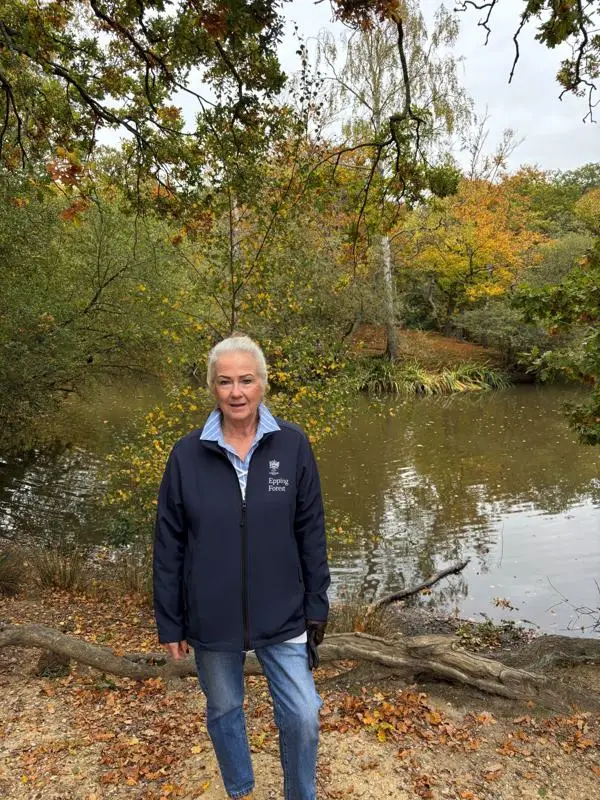
Chairman's Epping Forest Guardian column - 25 September 2025
Have you noticed the abundance of fruit and berries on the trees and bushes throughout Epping Forest this month? The blackthorn is laden with sloe berries and the crab apple trees hang heavy with small green apples. This can be a sign of nature under stress. When trees feel threatened they respond by putting great effort into delivering more fruit than usual, in an attempt to spread more seeds and continue their lifecycle.
This demonstrates the resilience of nature. And, as we have witnessed this year, nature in Epping Forest is experiencing somewhat unusual conditions with hotter, dryer summers, due to the effects of climate change.
Our conservation team are keeping a close eye on what this means for the flora and fauna who call Epping Forest home, and we, as Conservators of the ancient wood-pasture, work hard to future-proof this special place against the challenges.
As we head into the autumn months, a time of ‘crowning glory’ for the Forest, when the beauty of the canopy takes on the seasonal hues of yellow, orange, and varying shades of russet and brown, the Epping Forest team are working hard to prepare for the winter season ahead. Just as students return to school for a new academic year, we too begin the next seasonal cycle of caring for ‘London’s great Forest’ as well as taking the opportunity to celebrate the Forest through interesting events and projects.
Earlier this month we had a wonderful workshop with composer, Graham Fitkin, who is undertaking an exciting new project, ‘Treeline’, cycling through and celebrating the ancient beech woodlands of Europe. His musical journey will culminate in Epping Forest followed by a performance in London.
Epping Forest’s Youth Volunteer Photographers and their families along with the Epping Forest Conservation Volunteers, joined Graham Fitkin and the Epping Forest Engagement team for a walk to an ancient beech pollard in Bury Wood. Photographs and audio recordings were taken and scientific research about the tree was recorded. It will help to inform this exciting new composition.
I would like to invite any budding young photographers to get out and enjoy capturing the beauty of this special place this autumn! Share your photographs of the autumn colour in Epping Forest using #eppingforestautumn25, on Facebook or Instagram, along with your name and age (there will be three categories – under 11s, under 16s and under 18s).
We’ll select the best photograph from all entries submitted by 30 November. There will be a prize of an Epping Forest book, map and Christmas bauble sent to the winners within each age group.
Let’s see your creative and colourful captures!
Finally, have you visited our new Epping Forest Brambly Hedge Trail yet? I highly recommend a trip to our Visitor Centre at Chingford to pick up a copy of Jill Barklem’s ‘Autumn Story’ from the Brambly Hedge series. Then take a stroll along the Trail to see how many characters and seasonal signs you can spot! Share your Brambly Hedge Trail photos with us using #EFBramblyHedge on social media.
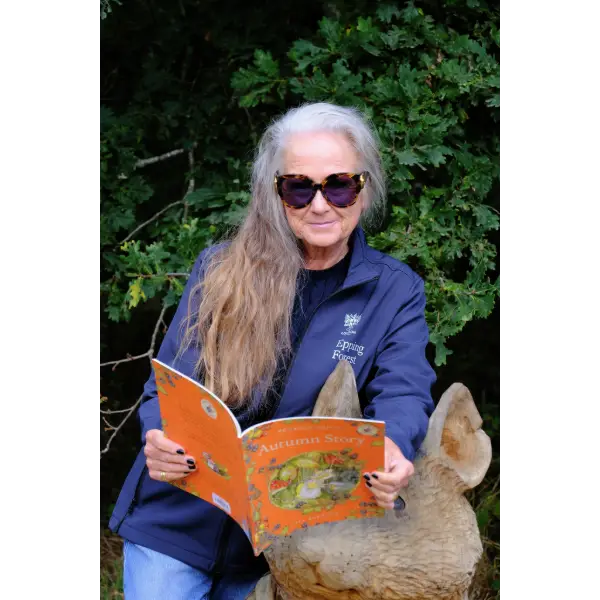
Chairman's Epping Forest Guardian column - 28 August 2025
As Seed Gathering Season approaches, Epping Forest is already reaping the rewards of a summer rich in outreach, education, and community engagement.
Echoing the words of Shakespeare’s Macbeth – “If you can look into the seeds of time, and say which grain will grow, and which will not” – the team have been busy sowing ‘metaphorical seeds’ through a vibrant programme of activities to deepen the public’s connection with this ancient woodland.
Over the summer, our team attended local events and hosted educational sessions, bringing the magic of Epping Forest to new audiences. A standout moment was the Open Day at the Epping Forest Field Centre on 25 July, where staff from the Centre, the City of London Corporation’s Engagement team, and colleagues from The Hive came together to showcase the Forest as a vibrant, living classroom for all ages.
The Open Air Theatre series also proved popular, culminating in a performance of HMS Pinafore in the picturesque setting of Wanstead Park. More than 1,000 visitors attended this year’s programme, and I’m sure that many, like me, left inspired to return and explore the Forest further.
Younger visitors got stuck in through hands-on activities including volunteer litter picks and a youth photography workshop, encouraging them to care for and creatively connect with the natural world. These experiences are designed to nurture a lifelong appreciation for nature and conservation. We hope the seeds planted through this work will one day grow into a new generation of custodians.
Nature, too, has been busy. Fungi have made an unusually early appearance this year, likely due to a wet spring followed by a warm summer. With over 1,600 species – many of them rare – Epping Forest’s fungi are a key reason the area is designated as a Site of Special Scientific Interest and a Special Area of Conservation.
As a reminder, collecting fungi is prohibited under Forest byelaws. Instead, we encourage everyone to admire these remarkable organisms in their natural setting. In the case of fungi, it’s not seeds but spores that help them to spread and sustain this delicate ecosystem for the future.
As summer draws to a close, the Forest continues to thrive — not only as a haven for wildlife, but as a place for learning, creativity, and connection. Whether you're admiring the early flush of fungi or simply soaking up the quiet of the woods, we invite you to experience the peace and perspective this ancient landscape offers — and perhaps reflect on the 'seeds of time' as you rest in the shade of a veteran oak.
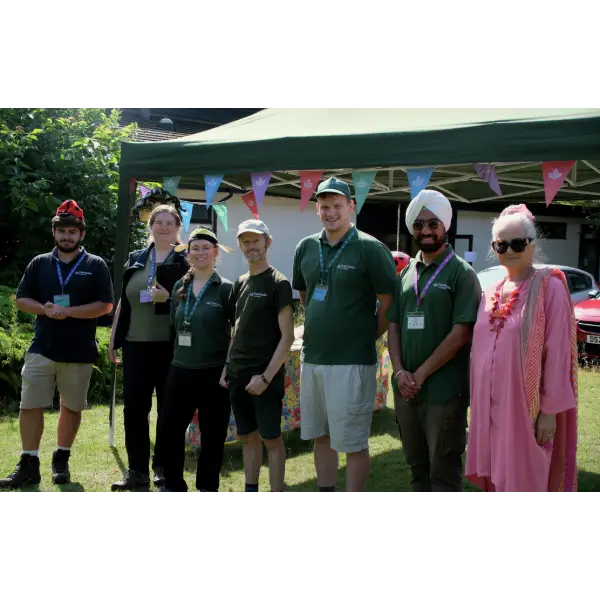
A call to action for young people – you are the future of the Forest
When I began my teaching career in Epping Forest in the late 1980s, I never imagined that in 2025 I’d be taking on the role as Chair of the City of London Corporation’s Epping Forest and Commons Committee.
I’m very grateful to our former Chairman, Benjamin Murphy, who devoted so much time and energy to preserving this unique landscape. I am very fortunate to inherit the reins of a thriving Epping Forest – passionately protected by so many: our out-going Chair. the Superintendent with her highly skilled and committed team of staff, our Committee Members, Verderers, amazing volunteers and many partners.
It’s a special honour to lead this Committee as we look ahead to 2028, when we will celebrate 150 years of the Epping Forest Act of 1878. Planning is already underway around a central theme: ‘protecting the Forest for the people’.
This anniversary is the perfect time to reflect on what it means to care for Epping Forest, especially in light of Queen Victoria’s famous 1882 visit. During her dedication of the Forest, she declared: “It gives me the greatest pleasure to dedicate this beautiful Forest to the use and enjoyment of my people for all time”.
Today, with over two thirds of Epping Forest protected as a Site of Special Scientific Interest and a Special Area of Conservation, readers will know how vital it is to preserve its wildlife and habitats. If f we want these protections to last, we must inspire the next generation to care deeply about our Forest landscape. In the face of climate change, it’s more important than ever for young people to connect with nature – so they can understand it, love it, and speak up for it.
That is why our work with the Natural Environment Youth Board and the Epping Forest Youth Council is so important. We’re fortunate to have our own dedicated City of London Learning team, and our Education partners at the Field Studies Centre at High Beach delivering exciting education programmes all year round complemented by The Hive in the London Borough of Waltham Forest. Our Epping Forest team also run Youth Litter Picks and Conservation Sessions, and we’re encouraging more families to enjoy the Forest through projects like the new Brambly Hedge Trail.
As I start my Chairmanship, I invite you to stay connected with all that’s happening by visiting our website and following Epping Forest on social media. If you work with a school and would like to organise a community litter pick, don’t hesitate to contact us.
We must act now to nurture passionate, knowledgeable guardians of this extraordinary place, who, with their future families. will continue the stewardship of this special landscape for the next 150 years and beyond! The trees may stand for hundreds of years – but we don’t – so it’s up to us to ensure they’re still here for generations to come.
Archive: Chairman's updates from Ben Murphy
Read past updates from our previous Chairman, Ben Murphy, who stepped down in May 2025 but who continues his tireless work to support the Forest as Deputy Chairman.
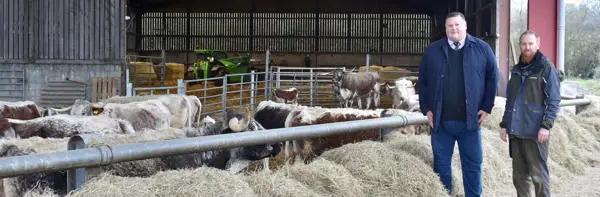
Epping Forest: A Season of Change
Spring is my favourite season — nature’s way of reminding us how beautiful change can be.
The transition from spring to summer also brings change for the Epping Forest and Commons Committee at the City of London Corporation, as my tenure as Chairman draws to a close.
It has been an honour to serve a cause so close to my heart, and a privilege to work alongside such dedicated and inspiring colleagues. Together, we’ve navigated challenges, embraced change, and made meaningful progress. I’m proud of what we’ve achieved — not just in statistics or policy, but in lives touched, voices amplified, and hope renewed.
John Wilkes, an 18th-century Chamberlain of the City of London, used to say at each Freedom ceremony: "I give you the gift of joy." While that gift once represented economic opportunity, Epping Forest offers something even more enduring — joy in nature, freely given to all, regardless of age, ability, race, or background. It’s no wonder it’s called The People’s Forest.
But what does that mean today?
Mark Gorman’s book Saving the People’s Forest reminds us that it was local, working-class communities who campaigned to preserve this landscape 150 years ago, forging a contract with the City of London under a common cause. At the time, no one could be elected without pledging to protect the forest. The growth of nineteenth-century London was unprecedented, significantly reducing access to green spaces by replacing it with factories and housing. It was ordinary people who stood up, spoke out and changed the course of history.
The responsibility for safeguarding The People’s Forest continues to rest with all of us. Addressing the impacts of climate change, resisting inappropriate development, and responding effectively to anti-social behaviour are challenges that require collective effort. The City of London Corporation cannot do this alone.
The energy, generosity, and quiet determination of our volunteers are a constant reminder that small acts, sustained over time, can help to shape something truly remarkable. If you are looking for a way to give something back to the community to you love, I do highly recommend giving volunteering at Epping Forest a try.
To everyone who has shown me kindness and support over the past three years: thank you. I have, of course, been just one leaf of a much larger metaphorical tree and I feel blessed knowing that as I step-back, fresh talent and new ideas will carry the organisation forward towards a brighter future.
And so, I leave you with the same words John Wilkes once gave: I give you the gift of joy.
Epping Forest’s future depends on strong public partnerships, alongside policies from government which will help protect this asset for future generations.
Part of the City of London Corporation’s role as Conservator is to provide a clear, central voice to politicians and policy makers on issues impacting Epping Forest.
The Superintendent and I recently met with the Member of Parliament for Chingford and Woodford Green, Sir Iain Duncan Smith, and discussed the government’s new National Planning Policy Framework – and the impact such a rapid growth in housing will have on the Forest. We talked about the need for greater fines for those who fly-tip and the impacts of climate change – from new pests and diseases to flood risks, fire and drought.
Sir Iain was pleased to walk along the new Brambly Hedge trail and see the Gloucester Ride path we are building to improve the visitor experience and help protect the ground across this Special Area of Conservation.
The Epping Forest Charity has also recently partnered with the Member of Parliament for Leyton and Wanstead, Calvin Bailey, and the Leader of Redbridge Council to express concerns at the unauthorised sewage discharge by Thames Walter into the Alders Brook tributary, which feeds Wanstead Park. Monitoring by Thames21 and the River Roding Trust has revealed unsafe levels of E. coli and intestinal enterococci bacteria, which they suggest sometimes exceeds safe limits by more than 20 times. Together, we have called on Thames Water to prioritise and expedite remedial work and ensure adequate funding is allocated to address this urgent environmental issue.
And we are continuing to work with Waltham Forest Council and the Environment Agency on the River Ching Action Plan, which has 27 specific improvement projects to tackle pollution and boost wildlife.
The Superintendent and I have had discussions with the Leader of Epping Forest District Council (EFDC) and the Member of Parliament for Epping Forest, Dr Neil Hudson, on the potential impact of devolution for Essex, the output of air quality monitoring reports and the success of joint operations between EFDC, Essex Police and Epping Forest Keepers to address anti-social behaviour and fly-tipping. All of this is in addition to the work our team do, responding to daily planning and licensing requests.
As Conservators, we recognise the need for housing in London and the southeast and have worked for many years to help create suitable Local Plan with our neighbouring Councils. We were pleased that the representations we made in response to the South Epping Master Plan Area has resulted in amendments, including provision of a ‘Suitable Alternative Natural Greenspace (SANG)’.
For 150 years, the City of London Corporation has successfully drawn upon its world-leading team of planners and lawyers, its deep-rooted relationships with policy makers, and its partnership with commercial enterprise to protect and enhance Epping Forest as a national treasure… long may it continue!
Jacqueline Eggleston, Superintendent of Epping Forest, provides this month's update
It’s been a busy month here in Epping Forest – and while the City of London elections get underway, I am pleased to provide you with a short update on what’s been happening these past few weeks.
We recently welcomed His Royal Highness The Duke of Gloucester, as he celebrated his Golden Jubilee as Ranger of Epping Forest.
The Duke met some of our volunteers who had completed a volunteering challenge and presented them with their certificates. Over 3,100 hours were volunteered as part of the campaign which has helped drive up our overall annual increase by 20%. If you are interested in volunteering, please email us or visit our volunteering page.
During the visit, The Duke viewed our new mice wood sculptures from the Brambly Hedge books. The setting for the books were the trees and hedgerows of Epping Forest. The first five of these sculptures have been installed close to the Chingford Visitor Centre, so do keep your eyes peeled. You can find out more about the new sculpture trail, which will be officially launched in September, by visiting the what's new in Epping Forest page.
Many readers will be pleased to hear that The Duke also ‘broke ground’ on Gloucester Ride, a new path which will lead from the Queen Elizabeth’s Hunting Lodge to Connaught Water. This often-muddy path is one of the most frequently used in the Forest and is in desperate need of surfacing to help our visitors navigate the site without causing damage. I am pleased to report that the path is due to be completed this summer.
At Lopping Hall in Loughton, The Duke heard presentations from young people exploring the theme ‘The Future of Epping Forest’. In a room full of local MPs and Councillors, students spoke passionately about what the Forest means to them and asked politicians to redouble their efforts to defend the Forest in an era of growing planning pressures.
One student summed up the session brilliantly by saying, “Epping Forest is not just a green space; it is our legacy. It holds the stories of the past and the hopes of the future. It is the reason our homes don’t flood; the reason we breathe clean air and the reason we remain physically and mentally healthy. We must all play our part in safeguarding it.”
As part of our ongoing celebrations, the Golden Jubilee Exhibition is available to view for free in the Lower Gallery at the Visitor Centre at Chingford (open 10am- 4pm, Tuesday to Sunday).
This month we have also been working with Essex Police and Epping Forest District Council to tackle fly-tipping. This has included carrying out spot checks on vehicles to check waste carrier licences. We have also installed CCTV and automatic number place recognition cameras for the first time. Together we are determined to fight fly-tipping and stop the few selfish individuals who waste so much of our charity’s resource. You can also help us - if you see fly-tipping, please report it to the Police on 999. Please also report it to us on 020 8532 1010 (phone line staffed 24/7).
Finally, our conservation volunteers will shortly be reintroducing the skylark protection area on Wanstead Flats. This roped off area will help protect this incredible songbird during their nesting season.
Firstly, may I take this opportunity to wish you all a very Happy New Year. I hope you all managed to find time to get out and enjoy the Forest over the festive season.
We recently spent some time reflecting on our achievements in 2024 and were delighted to present ‘A Year in Review’.
At the outset of each new year, many turn their attentions to health and fitness to aid recovery from post-Christmas indulgences! The Forest offers a range of opportunities for recreation. From walking, running, golf and football, to cycling and horse riding – Epping Forest can help you to get active and keep those New Year’s resolutions a reality!
As 2024 draws to a close, the Epping Forest team have been reflecting on the achievements for what has been an exhausting, but transformative year. And I am proud to present ‘Epping Forest: a Year in Review’ which you can read on our website.
It isn’t often I get the opportunity to thank our staff, committee members and volunteers for their hard work, but as we pause and reflect, I think we can all be proud of what we have achieved together this year. Of course, there’s a lot of work still to do!
The UK Government’s People and Nature Survey, published at the end of the Covid-19 pandemic, stated that 83% of children believe nature makes them happy, and that natural spaces are critical for children to make social connections.
We also know that many children living in poverty, children with special educational needs and disabilities, young carers, and young refugees often cannot access nature easily. And we recognise that the attainment gap between disadvantaged school students and their peers is increasing.
This month, as the nights begin to draw in, we’re celebrating one of the nocturnal creatures that reside in Epping Forest - the bats! Did you know that there are 18 species of bats in the UK, 10 of which have been recorded within Epping Forest? Scarce species such as Leisler’s, serotine and barbastelle (one of the UK’s rarest woodland species) can be found foraging and roosting here. Our unique wood pasture habitats provide the perfect environment for bats to thrive. Please visit our website www.cityoflondon.gov.uk/eppingforest for information about events we have planned, from specialist adult walks and talks, to fun bat-related events taking place during half term.
I hope you have managed to recharge your batteries and connect with family and friends this summer.
Many of you, I know, have taken the opportunity to visit ‘the Green Lungs of London’ . I have seen families flying kites and model aeroplanes, playing football and golf, cycling, exploring the Forest on horseback and walking dogs. It is a stark reminder of just how important Epping Forest is to millions of people.
Parents, teachers and students across the country are breathing a sigh of relief that the summer holidays are finally upon us!
For the staff and volunteers at Epping Forest, August is our busiest month as we help to support millions of people who visit Epping Forest as a place to escape and explore for free.
This year we have some exciting community events lined-up including youth volunteering activities, art exhibitions and an Epping Forest photography session for children. Our Open Air Theatre offer in Wanstead Park has also returned.
We find ourselves at the start of a new civic year, with lots of new Councillors recently elected to serve their local communities.
I was delighted to host representatives from the London Boroughs of Newham, Waltham Forest and Redbridge, as well as Essex County Councillors, Epping Forest District Councillors, and Town and Parish Councillors this week to our Local Authorities Liaison Group.
Improving collaboration across all these organisations will help achieve a better outcome for so many things, like public transport strategies, local development plans, and health and recreation strategies to name just a few!
On Thursday 2 May, you will be asked to cast your votes for the Mayor of London and GLA Assembly Members, for the Essex Police and Crime Commissioner and for Essex County and Epping Forest District Councillors.
Epping Forest is conserved by the City of London Corporation as a registered charity and is the largest free open space in both London and Essex. How it is policed, how planning policy impacts visitor pressure, how air and water quality impact the health and wellbeing of local biodiversity, how public transport supports accessibility are all important matters, decided by those you are being asked to vote for.
My request to you all is to ask your candidates what they have done, (and are doing) to support Epping Forest. Tell them how important protecting this green space is to you and your family. Showing your support for the protection of the ‘Green Lungs of London’ matters, and it matters most at the ballot box. Now is the time to speak up!
This time last year, we were reflecting on how little rainfall Epping Forest had experienced during the winter months. This year, we may have experienced the wettest winter for 130 years and as a result, the Forest is very muddy at the moment.
We have budgeted £250,000 for path repairs; however, this only allows us to cover a small proportion of the total path network. Eagle-eyed visitors in Chingford may have noticed that we are trialling three new path surfaces to see which is the most durable under the ever-increasing strain of feet, tyres and hooves! More on that in the months ahead.