Epping Forest wildlife
Our Ecological Monitoring 2025 results
Epping Forest and its Buffer Lands cover over 8,000 acres and stretch almost 13 miles.
In 2025, a major new systematic ecological monitoring programme began - and the data is now in.
Over 1,000 hectares of open habitat were surveyed across more than 40 Forest locations. This is the most comprehensive survey of its kind ever undertaken in Forest history.
Staff, ecologists and volunteers mapped 6,022 rare plant patches, counted 4,838 butterflies, recorded 671 moth species (79 of them nationally scarce) and spotted 243 reptiles.
Excitingly, two species entirely new to Britain and four new to Essex were discovered.
Explore the full results in our StoryMap.
Data gathered in 2025 is already being used to pursue greater formal protection for several grassland and reptile sites.
The 2026 programme, meanwhile, is already underway, including a close look at the Forest's ponds, newts, toads, frogs, dragonflies and much more.
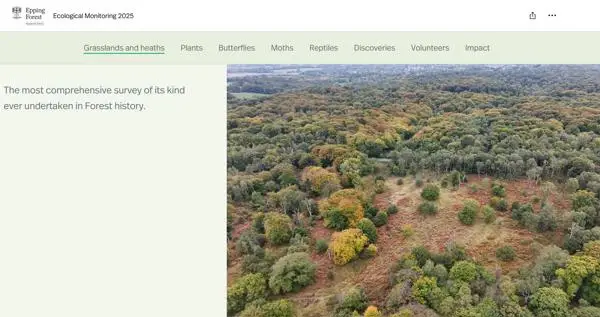
An ancient landscape, rich in rare species and habitats
Epping Forest is recognised as an internationally important place for wildlife. Its unique wood-pasture habitat mosaic includes ancient woodland, heathland, grassland and wetland habitats, making it a vital site for nature conservation.
The Forest supports an extraordinary variety of plants, fungi and animals, many of them rare or declining elsewhere. It is a stronghold for ancient trees, specialist insects, and deadwood-loving fungi, as well as a vital refuge for bats, amphibians, and butterflies.
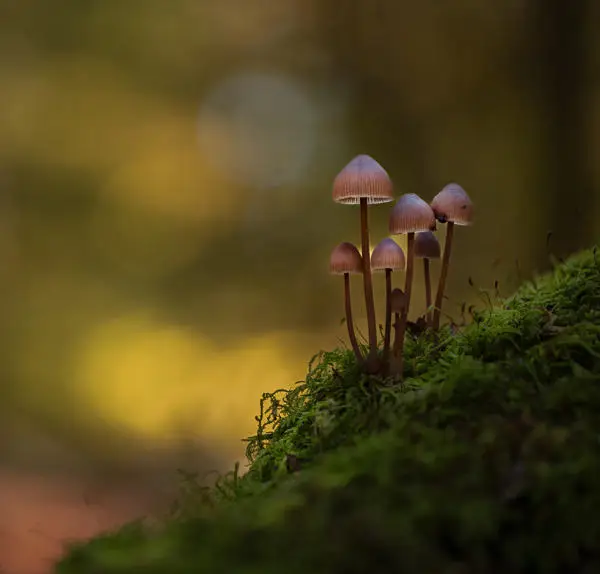
Epping Forest is a mosaic of rare habitats and includes:
- Ancient semi-natural woodland
- Wood-pasture systems shaped by centuries of pollarding
- Open grassland plains
- Two types of internationally-protected heathland
- Wetland habitats including forest streams, ponds and lakes.
This diversity of habitats supports equally diverse wildlife.
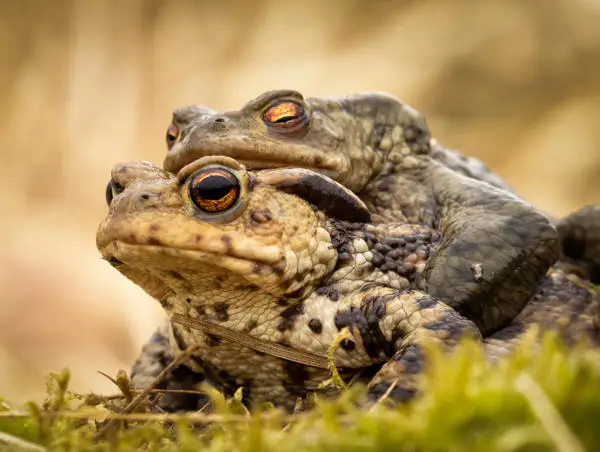
Some highlights of Epping Forest’s wildlife:
- Nearly 55,000 ancient and veteran trees — more than any other site in the UK.
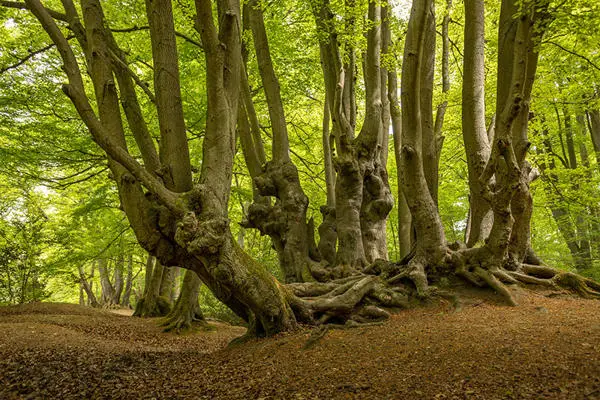
- Over 80% of the UK’s veteran beech pollards.
- Ten species of bat, including soprano pipistrelle and noctule.
- Nine native reptile and amphibian species, from common toads to slow-worms.
- Over 1,500 species of fungi including some of the rarest deadwood-dependent beech fungi in Europe.
- 28 species of butterflies, including purple emperor and white admiral.
- Rare knothole yoke-moss, found in only three places in the UK.
- Hundreds of species found only on ancient trees, such as rare beetles, flies, lichens and spiders.
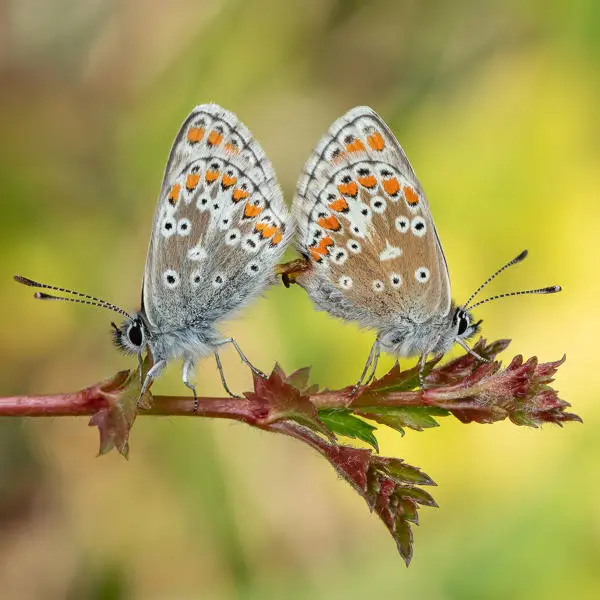
What is a pollard?
Pollarding is a traditional practice of cutting trees above grazing height to encourage new branch growth. This historic landscape management helped shape Epping Forest’s character creating vital habitats for wildlife. The crags, hollows, and decaying wood of ancient pollards support a host of specialist species not found in younger woodlands.
Help us protect Epping Forest’s wildlife
Your sightings matter. If you spot any wildlife in the Forest, from butterflies and fungi to mosses and amphibians please submit your records using the form below. Your contributions help improve our understanding of the Forest’s ecology, track population trends and inform how we care for it.
Together, we can help protect this remarkable landscape for generations to come.